ISRO Employees Raise Concerns Over Space Privatization
Key associations within ISRO have expressed apprehensions regarding the agency's privatization efforts and their potential impact on staff and operations.
ISRO staff question the implications of privatization on their roles.
Concerns arise from comments made by IN-SPACe chairperson about ISRO's future.
The letter demands clarity on government decisions affecting ISRO's structure.
In a significant development, employee associations at the Indian Space Research Organisation (ISRO) have formally addressed concerns to ISRO chairperson V Narayanan regarding the agency's ongoing privatization initiatives. This letter was dispatched shortly after ISRO successfully launched an earth observation satellite using a GSLV rocket, marking a notable achievement following a prolonged operational hiatus. The timing of the letter underscores growing unease among ISRO staff about the agency's future amidst increasing private sector involvement in India's space endeavors.
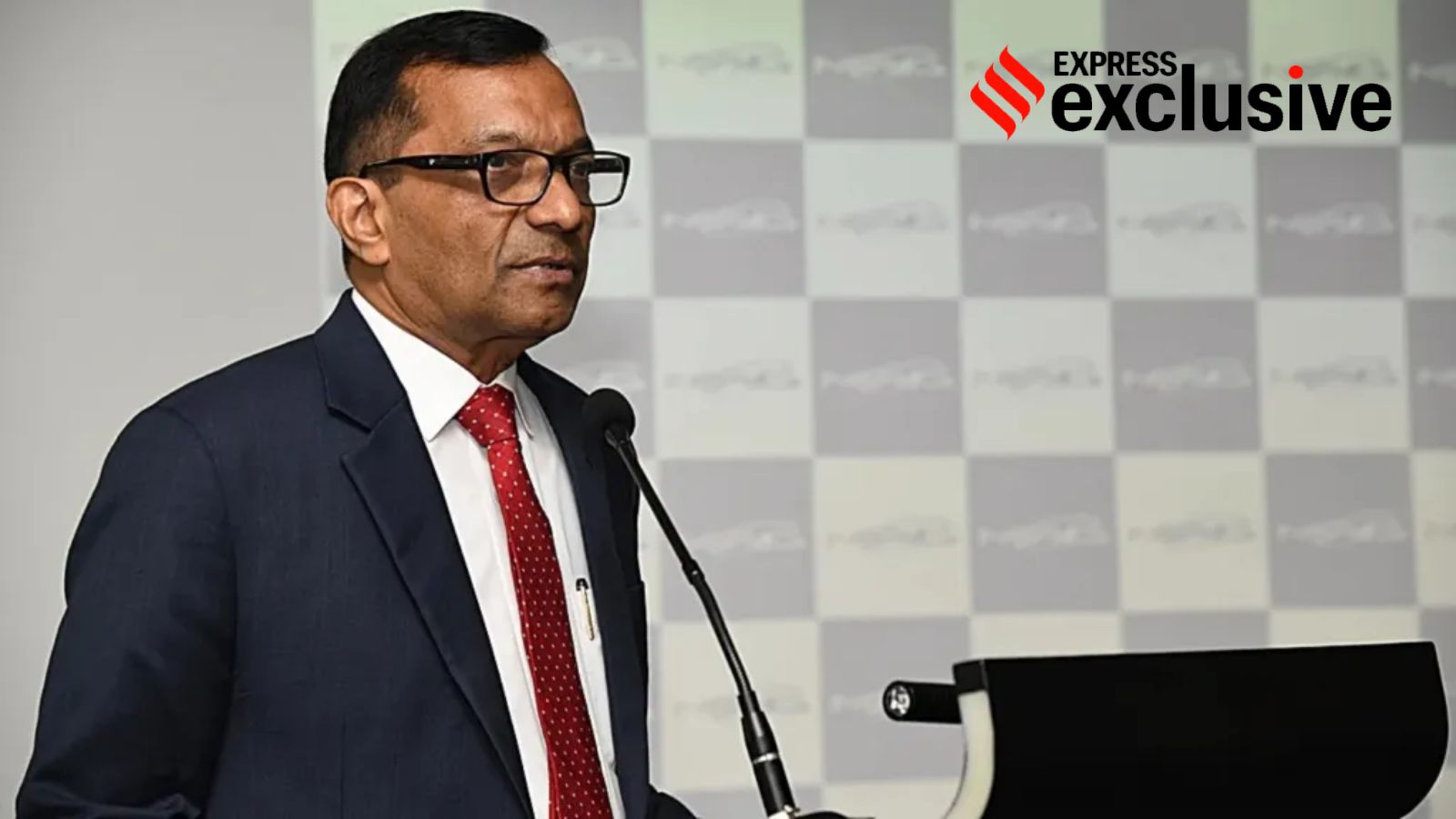
The backdrop of this situation includes remarks made by Pawan Goenka, chairperson of the Indian National Space Promotion and Authorization Centre (IN-SPACe), during a Business Today event on August 21. Goenka suggested that ISRO would eventually cease manufacturing launch vehicles, a responsibility he indicated would shift to private firms and public sector undertakings. His statements raised alarms among ISRO employees, who feel that such a shift could undermine the agency's core functions and its long-term sustainability.
The letter, signed by representatives from various ISRO centers, requests a formal clarification from Narayanan on whether Goenka's comments reflect an official policy decision. It highlights several critical issues, including the future role of ISRO as a public entity, the potential exclusion of public sector units from manufacturing tasks, and the safeguards for current employees. The associations are particularly concerned about the transfer of publicly funded technologies to private companies without adequate consultation.
The implications of this dispute extend beyond ISRO, as it raises questions about the agency's strategic direction and its ability to maintain its core competencies. The letter emphasizes that the activities Goenka referenced are integral to ISRO's identity, and withdrawing from these areas could jeopardize the agency's viability. Employees, who have dedicated their careers to ISRO's mission, now face uncertainty regarding job security and recruitment, which has already been affected by attrition and limited hiring.
Looking ahead, the ongoing debate about ISRO's role in the privatized space sector is likely to intensify. Experts, including Ajay Lele from the Manohar Parrikar Institute for Defence Studies and Analyses, suggest that while the privatization of certain functions may be necessary, ISRO must retain its capacity for critical launch services and vehicle development. The agency's future endeavors, including ambitious projects like Gaganyaan and a crewed lunar mission, necessitate a balanced approach that preserves ISRO's foundational capabilities while embracing private sector innovation.