Delhi High Court Denies Vinesh Phogat's Request for Trials
The court ruled against wrestler Vinesh Phogat's plea to participate in the World Championship trials, citing uniform selection criteria.
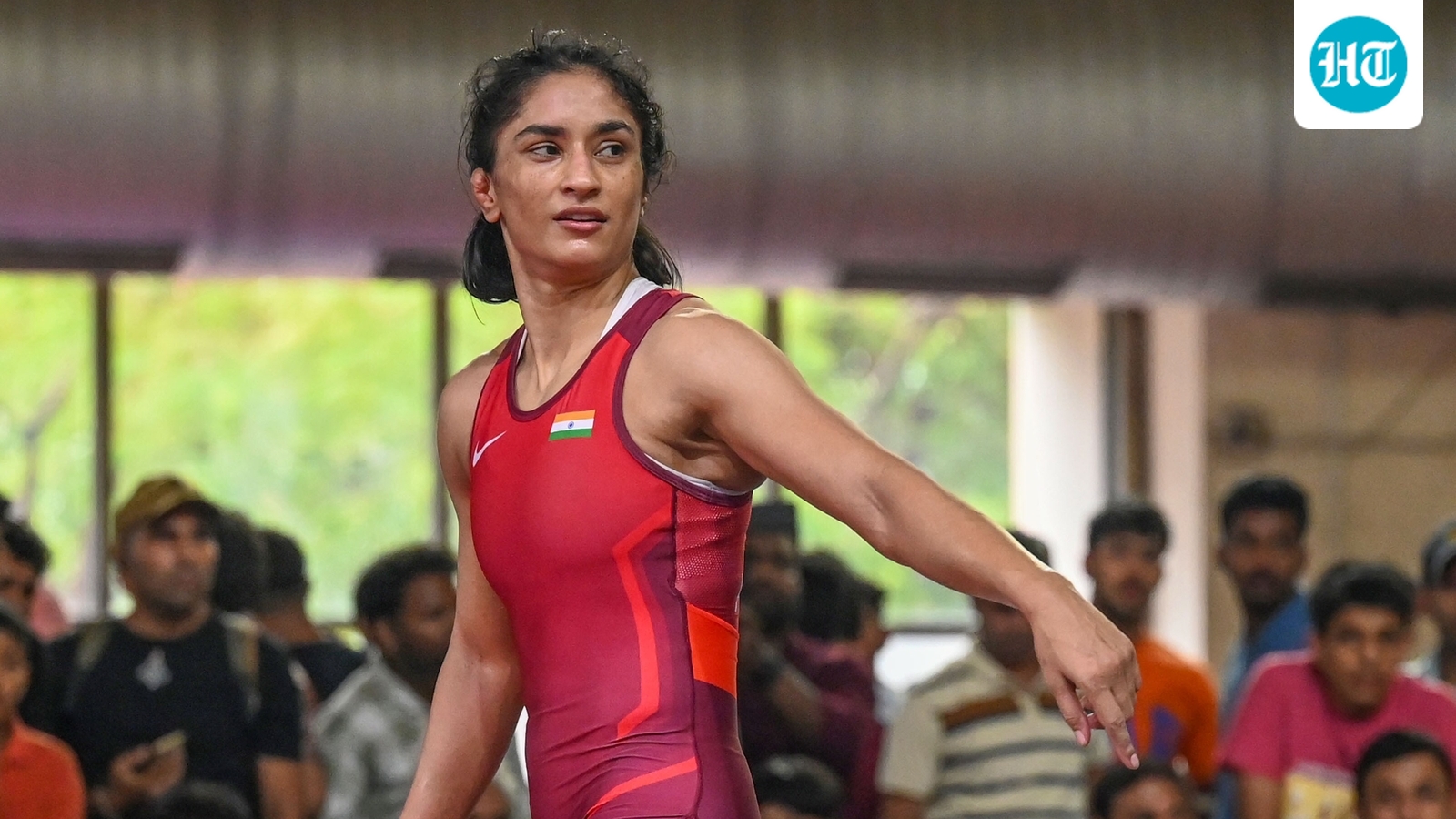
Delhi High Court rejected Vinesh Phogat's plea to compete in World Championship trials.
The court emphasized that selection criteria must apply equally to all athletes.
The Wrestling Federation of India is encouraged to create guidelines for athletes returning from maternity leave.
In a significant ruling, the Delhi High Court has denied wrestler Vinesh Phogat's request to participate in the selection trials for the 2026 Senior World Wrestling Championship, which are set to take place on September 14. The court's decision underscores the importance of maintaining uniform selection criteria for all athletes, stating that allowing Phogat to compete provisionally would create an unfair exception in her favor.
Phogat's plea stemmed from her challenge against the Wrestling Federation of India (WFI) regarding the selection framework that she argued excluded her from the upcoming championship. This exclusion follows her return to competitive wrestling after a hiatus due to pregnancy and childbirth. The court noted that the selection criteria should apply to all athletes without exception, reinforcing the principle of fairness in sports.
During the proceedings, Justice Swarana Kanta Sharma highlighted the need for the WFI to consider developing guidelines that would support women athletes who are returning to competition after maternity leave. The court recognized the challenges faced by these athletes and emphasized the necessity of balancing their interests with the requirements of competitive sports and national representation.
Phogat's legal counsel argued that the WFI's actions were arbitrary, claiming that she was only informed of the selection criteria shortly before the trials, effectively sidelining her from the selection process. The WFI, however, countered that Phogat was not banned from participating and remained eligible to compete at state and national levels before advancing through the selection process.
Looking ahead, the court's ruling may prompt the WFI to reevaluate its policies regarding maternity leave for athletes. The emphasis on creating supportive guidelines could lead to more inclusive practices in the future, ensuring that women athletes are not disadvantaged when returning to their sport after significant life events. As the September trials approach, the implications of this ruling will resonate within the wrestling community and beyond.


