Lundy Island's Remarkable Seabird Recovery After Rat Eradication
Once devastated by invasive rats, Lundy Island has seen a resurgence of seabird populations, highlighting successful conservation efforts.
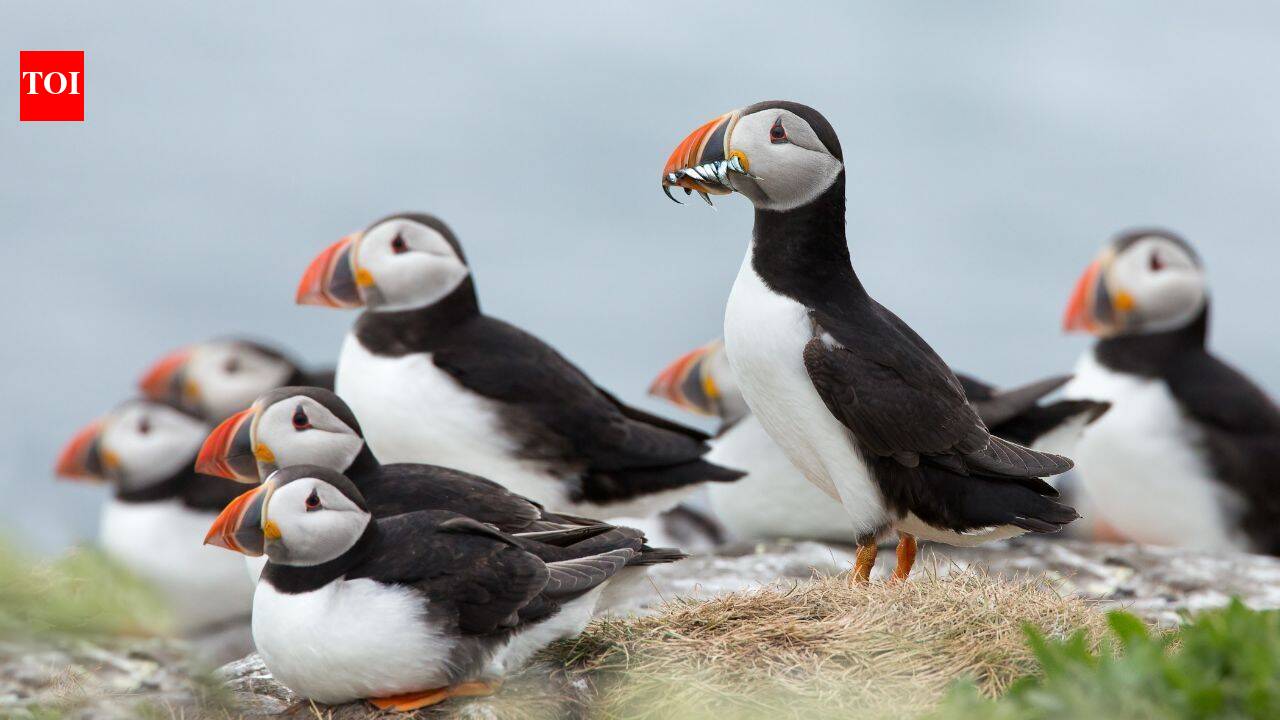
Puffin numbers on Lundy increased from 13 in 2000 to 1,335 today.
Over 40,000 seabirds now nest annually on the island.
The project serves as a model for global conservation efforts against invasive species.
Lundy Island, located off the southwest coast of England, has undergone a remarkable transformation since the initiation of a rat-eradication project in 2002. Once plagued by invasive rats that decimated seabird populations, the island now supports thriving colonies of puffins and other seabirds. The puffin population alone has surged from a mere 13 breeding pairs in 2000 to an impressive 1,335 individuals, showcasing the success of targeted conservation strategies.
Historically, Lundy was a sanctuary for seabirds, with its steep cliffs and isolated environment providing ideal nesting conditions. However, the introduction of brown rats centuries ago led to a catastrophic decline in bird populations, as these predators feasted on eggs and chicks. By the turn of the millennium, the seabird community had dwindled significantly, prompting conservationists to take action to restore the island's ecological balance.
In 2002, the Lundy Field Society and The Landmark Trust, along with other partners, launched an ambitious initiative to eradicate rats from the island. The operation involved meticulous planning and execution, employing a combination of baiting and biosecurity measures to ensure the safety of non-target species and humans. The success of this project was evident soon after, as seabirds began to return to their former nesting sites, leading to a dramatic increase in chick survival rates and overall bird populations.
Today, Lundy Island is once again a vibrant seabird habitat, with over 40,000 birds nesting annually. This resurgence includes various species, such as guillemots, razorbills, and storm petrels, which contribute to the island's rich biodiversity. The successful recovery of seabird populations on Lundy serves as a powerful example of how concerted conservation efforts can yield significant ecological benefits, inspiring similar initiatives in other regions.
Looking ahead, maintaining Lundy’s rat-free status remains a priority. Ongoing biosecurity measures are in place to prevent reinvasion, including inspections of incoming vessels and training for residents and visitors to report any signs of rats. The lessons learned from Lundy’s experience are invaluable, not only for the island itself but also for global conservation practices, demonstrating that with commitment and careful planning, it is possible to restore ecosystems and protect wildlife from invasive threats.


